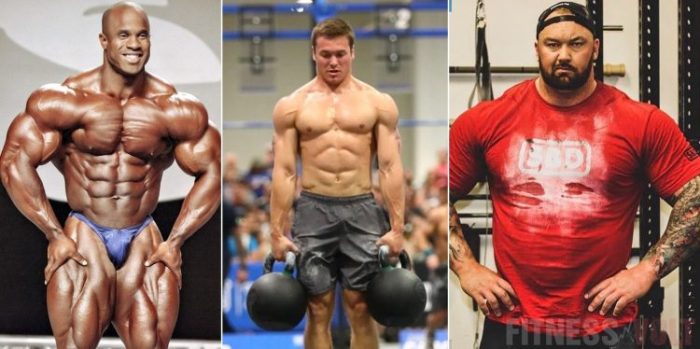
Diving into the world of Powerlifting vs Bodybuilding, get ready to uncover the contrasting yet intriguing realms of strength and aesthetics. Whether you’re a gym enthusiast or just curious, this comparison will shed light on the unique aspects of each discipline in a fun and interactive way.
As we delve deeper, we’ll explore the distinct training focuses, goals, workout routines, and physical attributes that set powerlifting and bodybuilding apart. Brace yourself for an exciting journey through the realms of muscle and might!
Powerlifting vs Bodybuilding
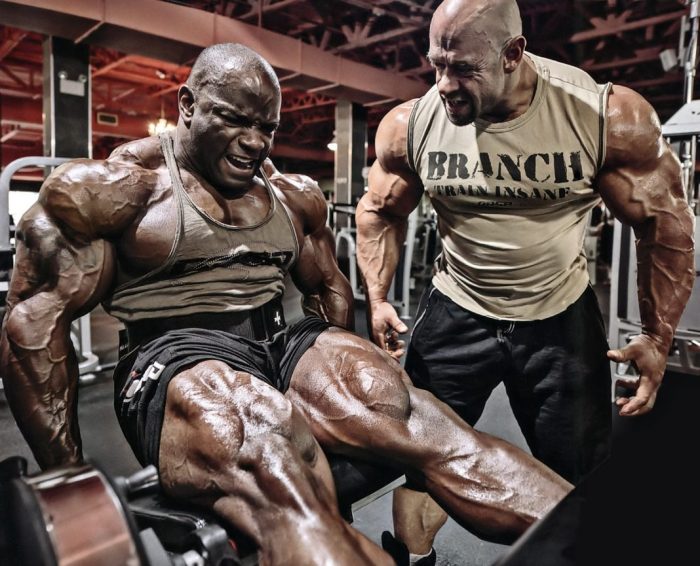
When comparing powerlifting and bodybuilding, it’s important to note the distinct differences in training focus, goals, workout routines, and physical attributes emphasized by each discipline.
Main Differences in Training Focus
Powerlifting primarily focuses on strength training, aiming to lift as much weight as possible in three main lifts: squat, bench press, and deadlift. Bodybuilding, on the other hand, emphasizes muscle hypertrophy and aesthetics through a combination of resistance training, isolation exercises, and diet.
Goals of Powerlifting and Bodybuilding
- Powerlifting: The main goal in powerlifting is to increase strength and lift heavier weights in the three competition lifts. Performance and strength gains are the primary focus.
- Bodybuilding: Bodybuilders aim to achieve a sculpted, aesthetic physique with well-defined muscles. The focus is on muscle size, symmetry, and definition for competitions.
Workout Routines
Powerlifters typically follow programs that prioritize the three main lifts: squat, bench press, and deadlift. Their workouts involve heavy weights, low repetitions, and plenty of rest between sets to maximize strength gains.
Bodybuilders, on the other hand, incorporate a variety of exercises targeting specific muscle groups. They focus on higher repetitions, time under tension, and isolation exercises to promote muscle growth and definition.
Key Physical Attributes
- Powerlifting: Powerlifters tend to have a strong, bulky physique with emphasis on overall strength and power. Muscle size may vary, but the primary goal is to lift heavy weights.
- Bodybuilding: Bodybuilders strive for a lean, muscular physique with well-defined muscles and symmetry. They focus on muscle hypertrophy and achieving a balanced, aesthetic appearance.
BUILD MUSCLE
Building muscle through weight training and proper nutrition is a key component of both powerlifting and bodybuilding. When you lift weights, you create micro-tears in your muscle fibers. Your body then repairs these tears, resulting in muscle growth and increased strength. Proper nutrition provides the building blocks necessary for this repair and growth process.
Progressive Overload
- Progressive overload is essential for muscle growth. This means gradually increasing the weight, reps, or sets in your workouts to continually challenge your muscles.
- By increasing the stress on your muscles over time, you force them to adapt and grow stronger.
- Without progressive overload, your muscles will not be stimulated enough to grow and improve.
Protein Intake
- Protein is crucial for building and repairing muscles. It provides the essential amino acids needed for muscle growth.
- It is recommended to consume around 1.2 to 2.2 grams of protein per kilogram of body weight per day for optimal muscle growth.
- Protein can come from sources like lean meats, poultry, fish, eggs, dairy, legumes, and protein supplements.
Maximizing Muscle Hypertrophy
- Focus on compound exercises that work multiple muscle groups at once, such as squats, deadlifts, bench press, and overhead press.
- Ensure proper form to target the muscles effectively and prevent injury.
- Incorporate a variety of rep ranges (e.g., 6-12 reps) to stimulate muscle growth through different mechanisms.
- Include adequate rest and recovery to allow your muscles to repair and grow stronger.
Closing Summary
In conclusion, Powerlifting and Bodybuilding showcase two distinct paths to physical excellence, one emphasizing raw strength while the other focuses on sculpting the perfect physique. Whether you’re drawn to the challenge of lifting heavy or the allure of chiseled muscles, both disciplines offer unique benefits and rewards for those willing to push their limits. So, which path will you choose on your fitness journey?
FAQ Corner
What makes powerlifting different from bodybuilding?
Powerlifting focuses on pure strength through compound lifts like squat, bench press, and deadlift, while bodybuilding emphasizes muscle hypertrophy and aesthetics through isolation exercises and sculpting.
Can you be a powerlifter and a bodybuilder at the same time?
While it’s possible to incorporate elements of both disciplines into your training, competing at a high level in both powerlifting and bodybuilding simultaneously can be challenging due to the differing goals and training methods.
Is protein intake equally important for powerlifters and bodybuilders?
Protein intake is crucial for both powerlifters and bodybuilders as it plays a key role in muscle repair and growth, but the amount may vary based on individual goals and training intensity.
How do powerlifters and bodybuilders differ in their workout routines?
Powerlifters typically focus on low-rep, high-weight compound movements to increase strength, while bodybuilders often incorporate higher rep ranges and isolation exercises to target specific muscle groups for hypertrophy.
Which discipline is more focused on aesthetics – powerlifting or bodybuilding?
Bodybuilding is generally more focused on aesthetics, with competitors striving to achieve symmetrical muscle development and low body fat levels to showcase their physique on stage, while powerlifting prioritizes maximal strength in three main lifts.


