
Full-Body Strength Training sets the stage for this enthralling narrative, offering readers a glimpse into a story that is rich in detail with entertaining interactive style and brimming with originality from the outset.
Strength training isn’t just about lifting weights; it’s a holistic approach to fitness that can transform your body and mind. Get ready to dive into the world of Full-Body Strength Training and discover the secrets to building muscle, improving fitness levels, and achieving your goals.
Benefits of Full-Body Strength Training
Engaging in full-body strength training offers a wide range of benefits that go beyond just building muscle. Full-body strength training improves overall fitness levels by targeting multiple muscle groups in one workout session. This results in enhanced muscle tone, strength, and endurance throughout the body.
Impact on Metabolism and Weight Management
Full-body strength training has a significant impact on metabolism, as it helps increase muscle mass. Muscles burn more calories than fat, even at rest, leading to a higher metabolic rate. This can aid in weight management and fat loss over time.
- Increasing muscle mass through strength training boosts metabolism, helping to burn more calories throughout the day.
- Regular strength training can lead to improved body composition, reducing body fat percentage and promoting a leaner physique.
- Strength training also helps maintain muscle mass during weight loss, preventing muscle loss that can occur with dieting alone.
Key Principles of Full-Body Strength Training
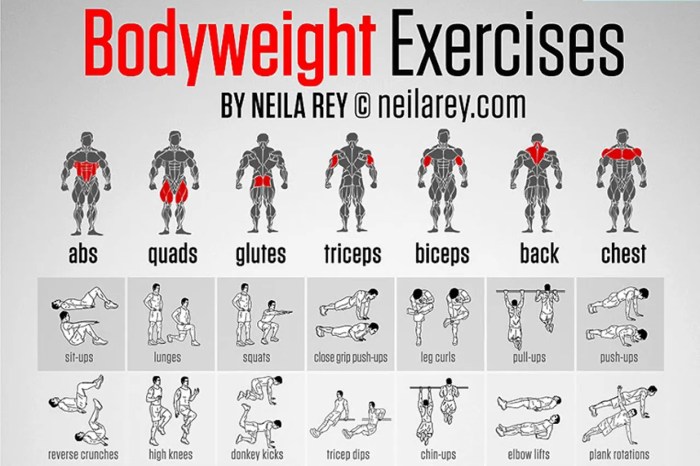
When designing a full-body strength training workout, there are key principles to keep in mind to ensure effectiveness and maximize strength gains. Incorporating compound movements and progressive overload are essential components of a successful full-body strength training routine.
Importance of Compound Movements
Compound movements involve multiple joints and muscle groups working together in a coordinated manner. These exercises recruit a larger number of muscle fibers, leading to greater overall strength gains. Some common compound movements include squats, deadlifts, bench presses, and pull-ups. By including these exercises in your full-body strength training routine, you can target multiple muscle groups simultaneously and improve functional strength for everyday activities.
Role of Progressive Overload
Progressive overload is the concept of gradually increasing the intensity, volume, or resistance of your workouts over time to continue challenging your muscles and stimulating growth. By progressively overloading your muscles, you force them to adapt and become stronger. This can be achieved by increasing the weight lifted, the number of repetitions performed, or the frequency of training sessions. Incorporating progressive overload into your full-body strength training routine is crucial for making continuous gains in strength and muscle mass.
Effective Exercises for Full-Body Strength Training
To achieve a well-rounded full-body strength training routine, it is important to incorporate effective exercises that target multiple muscle groups and provide a comprehensive workout. Compound exercises that engage various muscle groups simultaneously are key for maximizing strength gains and overall fitness.
Compound Exercises for Full-Body Strength Training
- Squats: Squats are a versatile exercise that primarily target the lower body, including the quadriceps, hamstrings, and glutes. Additionally, squats engage the core for stability and balance.
- Deadlifts: Deadlifts are excellent for targeting the posterior chain, including the hamstrings, glutes, lower back, and traps. They also engage the core muscles for stability and strength.
- Presses: Various pressing exercises like bench press, overhead press, and push-ups work the chest, shoulders, and triceps while engaging the core for stabilization.
Variations of Squats, Deadlifts, and Presses
To keep your full-body strength training routine challenging and effective, incorporating variations of squats, deadlifts, and presses is essential. For squats, you can try front squats, goblet squats, or lunges to target different muscle groups. Deadlift variations like sumo deadlifts or Romanian deadlifts provide unique challenges and work your muscles in different ways. When it comes to presses, incline presses, dumbbell presses, or push-up variations can add diversity to your routine.
Balancing Upper Body, Lower Body, and Core Exercises
For a well-rounded full-body strength training routine, it is crucial to balance upper body, lower body, and core exercises. Include a mix of exercises that target each muscle group to ensure overall strength development and prevent muscle imbalances. Aim to incorporate an equal amount of exercises for the upper body, lower body, and core in each workout session to achieve a comprehensive workout that promotes overall strength and fitness.
Nutrition for Building Muscle
Proper nutrition plays a crucial role in supporting muscle growth and development. In addition to a well-rounded strength training routine, ensuring your body receives the right nutrients is essential for maximizing your muscle gains.
Role of Macronutrients in Muscle Development
Macronutrients like protein, carbohydrates, and fats are key components in promoting muscle growth:
- Protein: Known as the building blocks of muscle, protein is essential for repairing and building muscle tissue. Aim to include lean sources of protein such as chicken, fish, tofu, or legumes in your meals.
- Carbohydrates: Carbs provide the energy needed for intense workouts and help replenish muscle glycogen stores post-exercise. Opt for complex carbohydrates like whole grains, fruits, and vegetables.
- Fats: Healthy fats are important for hormone production and overall health. Include sources of unsaturated fats like avocados, nuts, and olive oil in your diet.
Pre and Post-Workout Meals for Muscle Recovery
What you eat before and after your workout can impact your muscle recovery and growth. Here are some examples of meals to consider:
- Pre-Workout: A balanced meal containing carbohydrates and protein, such as a chicken wrap with veggies or Greek yogurt with fruit, can provide the energy needed for your workout.
- Post-Workout: After exercise, aim to consume a meal rich in protein and carbohydrates to aid in muscle recovery. Examples include a protein shake with a banana, grilled salmon with sweet potatoes, or a turkey sandwich on whole grain bread.
Wrap-Up
As we wrap up our journey through Full-Body Strength Training, remember that consistency is key. By incorporating these principles and exercises into your routine, you’ll be on your way to a stronger, fitter version of yourself in no time. Embrace the challenge, push your limits, and watch as your body transforms before your eyes.
Popular Questions
What are the benefits of Full-Body Strength Training?
Full-Body Strength Training offers a range of advantages, including improved fitness levels, enhanced metabolism, and effective weight management.
What are some key principles of Full-Body Strength Training?
Essential principles include compound movements, progressive overload, and a balanced workout routine targeting all muscle groups.
What are some effective exercises for Full-Body Strength Training?
Compound exercises like squats, deadlifts, and presses, along with variations and a mix of upper body, lower body, and core exercises, are highly effective.
How important is nutrition for building muscle?
Nutrition plays a crucial role in muscle growth, with macronutrients like protein, carbohydrates, and fats being essential for development. Pre and post-workout meals also aid in muscle recovery.


