
Looking to bulk up quickly? Dive into the world of muscle building with our guide on How to Build Muscle Fast, where we break down the essentials in an engaging and informative way!
From understanding muscle fibers to the role of nutrition and exercise routines, we’ve got you covered with all the tips and tricks you need to know.
BUILD MUSCLE
Building muscle refers to the process of increasing the size and strength of muscles through various forms of resistance training and proper nutrition. This process involves breaking down muscle fibers during exercise and allowing them to repair and grow stronger during rest periods.
Benefits of Building Muscle
Building muscle offers numerous benefits beyond just aesthetic improvements. Some of the key advantages include:
- Increased Metabolism: Muscle tissue burns more calories at rest compared to fat tissue, leading to a higher metabolic rate.
- Improved Strength and Endurance: Enhanced muscle mass results in greater strength and endurance, allowing for better performance in physical activities.
- Enhanced Physical Appearance: Building muscle can contribute to a more toned and defined physique.
- Reduced Risk of Injury: Strengthening muscles can help support joints and reduce the risk of injuries during physical activities.
Types of Muscle Fibers
There are three main types of muscle fibers in the human body:
- Type I (Slow-Twitch): These fibers are fatigue-resistant and are primarily involved in endurance activities such as long-distance running or cycling.
- Type IIa (Fast-Twitch Oxidative): These fibers possess a combination of endurance and strength characteristics, making them suitable for activities like sprinting or swimming.
- Type IIx (Fast-Twitch Glycolytic): These fibers are geared towards short bursts of intense, explosive movements like weightlifting or jumping.
NUTRITION
Eating a balanced diet is crucial for muscle growth as it provides the necessary nutrients for recovery and repair. Without proper nutrition, all the hard work in the gym may not yield the desired results. One of the key components of a muscle-building diet is ensuring an adequate intake of essential nutrients.
Essential Nutrients for Muscle Building
- Protein: Protein is essential for muscle repair and growth. It provides the building blocks (amino acids) necessary for the synthesis of new muscle tissue. Aim to include good sources of protein in every meal, such as lean meats, poultry, fish, eggs, dairy, and plant-based sources like tofu and legumes.
- Carbohydrates: Carbohydrates provide the energy needed for intense workouts and replenish glycogen stores in muscles post-exercise. Opt for complex carbohydrates like whole grains, fruits, and vegetables to sustain energy levels.
- Fats: Healthy fats are important for hormone production and overall health. Include sources of unsaturated fats like nuts, seeds, avocados, and olive oil in your diet.
- Vitamins and Minerals: Micronutrients play a vital role in various physiological processes, including muscle function. Ensure you are getting a variety of fruits, vegetables, and whole foods to meet your vitamin and mineral needs.
- Water: Hydration is key for optimal performance and recovery. Adequate water intake is essential for nutrient transport, muscle function, and overall health.
Protein’s Role in Muscle Recovery and Growth
Protein is often referred to as the “building block” of muscles due to its role in repair and growth. After a workout, muscles undergo micro-tears that need to be repaired to become stronger and larger. Protein provides the amino acids necessary for this repair process, aiding in muscle recovery and growth. It is recommended to consume protein-rich foods or supplements within 30 minutes to an hour post-exercise for optimal recovery.
EXERCISE ROUTINE
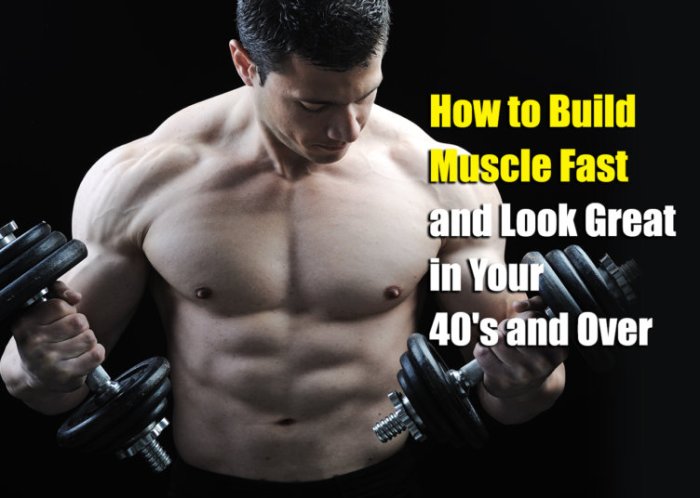
To build muscle effectively, it is crucial to have a well-structured exercise routine in place. This routine should consist of a combination of strength training and hypertrophy training, along with proper rest and recovery.Progressive overload is a key principle in muscle development, as it involves gradually increasing the demands placed on the muscles over time. This can be achieved by increasing the weight lifted, the number of repetitions, or the intensity of the workout.
Sample Workout Plan
- Day 1: Chest and Triceps
- Day 2: Back and Biceps
- Day 3: Rest
- Day 4: Legs and Shoulders
- Day 5: Rest
- Repeat
Significance of Progressive Overload
Progressive overload is essential for muscle growth because it challenges the muscles to adapt and become stronger. Without progressive overload, the muscles would not have a reason to grow and develop.
Strength Training vs. Hypertrophy Training
Strength training focuses on increasing the maximum amount of weight a person can lift for a few repetitions, while hypertrophy training is geared towards increasing muscle size and definition through higher repetitions and moderate weight.
REST AND RECOVERY
Rest and recovery are crucial components of any muscle-building program. Giving your body time to rest allows it to repair and grow stronger muscles. Without adequate rest, you risk overtraining and hindering your progress. In addition, sleep plays a vital role in muscle recovery and growth.
Importance of Rest Days
- Rest days allow muscles to repair and grow, leading to increased strength and size.
- Overtraining can result in decreased performance, fatigue, and even injury.
- Listen to your body and incorporate rest days into your routine to optimize muscle growth.
Sleep and Muscle Recovery
- Sleep is when the body releases growth hormone, essential for muscle repair and growth.
- Strive for 7-9 hours of quality sleep each night to support optimal muscle recovery.
- Poor sleep can lead to decreased muscle protein synthesis and hinder progress in the gym.
Optimizing Recovery Between Workouts
- Stay hydrated to support muscle function and recovery.
- Incorporate stretching and foam rolling to reduce muscle soreness and improve flexibility.
- Eat a balanced diet with adequate protein to support muscle repair and growth.
- Consider active recovery activities like yoga or light cardio on rest days to promote blood flow and recovery.
SUPPLEMENTS
When it comes to building muscle, some individuals turn to supplements to aid in their progress. These supplements can provide additional nutrients that may be lacking in one’s diet, or enhance muscle growth through various mechanisms. However, it is important to understand the benefits and potential risks associated with using muscle-building supplements, as well as how to determine their necessity in a muscle-building regimen.
Common Muscle-Building Supplements
- Protein Powder: Helps increase protein intake, essential for muscle repair and growth.
- Creatine: Aids in increasing strength and muscle mass.
- BCAAs (Branched-Chain Amino Acids): Supports muscle recovery and growth.
- Pre-Workout Supplements: Provide energy and focus during workouts.
Benefits and Risks of Muscle-Building Supplements
While supplements can offer benefits like improved performance and recovery, they also come with potential risks. It is crucial to be aware of the following:
- Benefits:
- Enhanced muscle growth and recovery
- Increased strength and endurance
- Convenience in meeting nutritional needs
- Risks:
- Potential side effects such as digestive issues or allergic reactions
- Contamination or impurities in certain products
- Dependency on supplements rather than whole foods
Determining the Necessity of Supplements
Deciding whether to incorporate supplements into your muscle-building regimen requires careful consideration. Factors to consider include:
- Evaluating your current diet and nutrient intake
- Assessing your fitness goals and specific needs
- Consulting with a healthcare professional or nutritionist
TRACKING PROGRESS
Tracking progress is essential when it comes to building muscle effectively. It allows you to monitor your muscle growth and strength gains, helping you make necessary adjustments to your workout routine for better results.
Methods for Tracking Muscle Growth and Strength Gains
- Keep a workout journal: Record the exercises, sets, reps, and weights used for each workout session. This will help you track your progress over time and identify areas for improvement.
- Take progress photos: Regularly take photos of your physique from different angles to visually see changes in muscle size and definition.
- Measure body measurements: Track changes in key areas such as chest, arms, waist, and thighs to assess muscle growth accurately.
- Use strength benchmarks: Keep track of the weights you lift for specific exercises to gauge strength gains and set new goals.
Importance of Setting Specific Goals for Muscle Building
Setting specific goals is crucial for building muscle effectively. It provides you with a clear direction and motivation to work towards, ensuring that you stay focused and committed to your muscle-building journey.
How Progress Tracking Can Help Adjust Workout Routines
- Identify strength imbalances: By tracking your progress, you can pinpoint any muscle groups that may be lagging behind and adjust your workout routine to target those areas.
- Measure effectiveness of routines: Monitoring your progress allows you to see what is working and what is not, enabling you to make informed decisions on modifying your workouts for better results.
- Set realistic expectations: Tracking progress helps you set realistic goals based on your current capabilities and progress, preventing burnout or injury from pushing yourself too hard.
Final Summary
As we wrap up our discussion on building muscle fast, remember that consistency is key. Keep pushing your limits, fueling your body right, and you’ll be on your way to achieving your muscle-building goals in no time!
FAQ Guide
How quickly can I expect to see muscle gains?
You may start noticing changes in muscle tone within a few weeks, but significant muscle gains usually take several months of consistent training and nutrition.
Is it necessary to take supplements for muscle growth?
Supplements can be helpful, but they are not essential. A well-balanced diet rich in protein and nutrients can support muscle growth effectively.
Can I build muscle without lifting heavy weights?
Absolutely! Bodyweight exercises, resistance bands, and other forms of resistance training can also help you build muscle effectively without heavy weights.


